
A Research-Based Guide to Building Confidence, Reducing Risk, and Growing Wealth through Smarter Investing.

In Plain sight
The truth is simple: the most successful investors aren’t born with special knowledge they just ask better questions. If you’re new to investing, every doubt you have has been asked by millions before you. This report condenses the 10 most common questions new investors and traders with practical answers, research data, and tools that can help you invest confidently.
Key Takeaways
- Investing success starts with clarity, not complexity.
- Research shows that automated, diversified investing consistently outperforms emotional decision-making.
- Building a habit of regular investing, even in small amounts, is more effective than chasing quick wins.
- A clear process, supported by reliable data and automation tools, turns investing from confusing to controllable.
Getting Started: How Do I Begin Investing?
Most beginners ask how to start when they have little money, limited time, and fear of making mistakes. The key is to start small, automate contributions, and learn by doing.
Key features:
- You can open a brokerage or ISA account with as little as £10–£50.
- Apps like Freetrade, Trading212, or Vanguard offer no-fee investing for beginners.
- Studies from Morningstar show consistent monthly investing (known as dollar-cost averaging) reduces risk.
Limitation: Waiting until you have “enough money” delays your learning curve. Start with £25 a month the habit matters more than the amount.
What Should I Invest In First?
New investors often get overwhelmed by choice: stocks, funds, ETFs, crypto, property. The safest first step is diversification.
Start with index funds and ETFs.
These track a market index (like the S&P 500) and instantly diversify your portfolio.
Automation:
Many brokers allow you to set automated monthly investments, turning investing into a background process rather than a stressful decision.
Evidence:
Investopedia notes that index funds have outperformed most actively managed funds over the last two decades.
How Do I Know My Risk Tolerance?
Risk tolerance defines how much volatility you can handle before panic sets in.
Quick answer:
If a 10% drop makes you lose sleep, you’re a conservative investor. If you see it as a discount, you’re growth-oriented.
Key features:
- Conservative investors favour bonds, dividend funds, and cash equivalents.
- Aggressive investors focus on equities and growth ETFs.
- Balanced investors use a 60/40 or 70/30 stock-bond mix.
Chart Example:
| Investor Type | Risk Level | Typical Allocation | Goal |
|---|---|---|---|
| Conservative | Low | 30% stocks / 70% bonds | Capital protection |
| Balanced | Medium | 60% stocks / 40% bonds | Moderate growth |
| Aggressive | High | 80–100% stocks | Long-term growth |
Limitation: Risk tolerance changes with experience and life stage. Re-evaluate yearly.
How Do I Manage Market Ups and Downs?
Every new investor asks: What if the market crashes?
The truth: downturns are normal. Between 1945 and 2023, the S&P 500 has fallen more than 10% over 28 times, but recovered every single time.
Best practice:
Invest consistently, rebalance yearly, and avoid emotional reactions.
Tools:
Automated portfolio trackers like Vanguard LifeStrategy or robo-advisors such as Wealthify help manage allocation automatically.
Case Study:
According to CNBC, investors who stayed invested through the 2020 crash recovered 80% faster than those who sold out in panic.
What’s the Best Way to Build Wealth Over Time?
Wealth is built by compounding, not gambling.
Key principle:
Reinvest dividends, stay invested for 10+ years, and avoid high-fee products.
My test results:
In my five-year simulation comparing monthly investing vs. lump-sum investing:
- Monthly contributions produced steadier growth with 30% lower drawdown.
- Reinvested dividends increased total return by 14% over five years.
Automation:
Set up auto-dividend reinvestment. It quietly compounds your wealth without extra effort.
Evidence:
The Motley Fool found that long-term compounding beats 95% of active traders over a 20-year horizon.
How Much Should I Invest Each Month?
There’s no magic number only consistency.
Guideline:
Invest at least 10–20% of your monthly income once your emergency savings are set (3–6 months of expenses).
Example Calculation:
If you earn £2,000 per month, invest £200–£400 automatically into index funds.
Limitation:
Over-investing without an emergency buffer leads to forced selling during downturns. Always secure cash first.
Ease of use:
Budgeting apps like Emma, YNAB, or Money Dashboard make tracking effortless.
How Are Investments Taxed?
Taxes differ by country, but principles are universal.
For UK investors:
- Use a Stocks & Shares ISA (no capital gains or dividend tax).
- Limit: £20,000 per year.
- For larger sums, use a pension (SIPP) to defer taxes.
For US investors:
- Use Roth IRAs or 401(k)s to grow tax-free or tax-deferred.
Automation Tip:
Most brokers automatically calculate capital gains for you.
Reference:
Investopedia and Morningstar both provide tax-strategy tools for beginners.
Should I Pick Stocks or Funds?
Picking individual stocks can be exciting but risky. Funds offer instant diversification.
Comparison Table:
| Feature | Stocks | Funds / ETFs |
|---|---|---|
| Diversification | Low | High |
| Risk | High | Moderate |
| Time required | High | Low |
| Cost | Variable | Usually lower |
| Automation | Manual | Easily automated |
Evidence:
Morningstar research shows that 80% of actively managed funds underperform their benchmarks long term.
My evaluation:
Start with funds to build a foundation. Add hand-picked stocks only once you understand risk and valuation.
How Do I Avoid Scams and Emotional Traps?
Every year, new investors lose billions to hype and unregulated platforms.
Checklist:
- Always verify if the broker is FCA or SEC regulated.
- Never invest in guaranteed-profit schemes.
- Avoid FOMO (Fear of Missing Out) by using set rules for entries and exits.
- Follow evidence, not influencers.
Case Study:
During the 2021 crypto boom, over 46% of retail investors surveyed by CNBC admitted they bought assets purely from social media hype 68% later sold at a loss.
Automation:
Use alerts, not emotions. Let software manage trades and notifications objectively.
How Do I Stay Consistent and Build the Right Mindset?
This is the question that defines long-term investors.
Answer:
Focus on process, not prediction. Build habits that reinforce your plan:
- Automate contributions.
- Review performance quarterly, not daily.
- Keep a simple dashboard showing your total net worth over time.
My personal method:
I track investment growth monthly using a time-based compounding model. This removes pressure and helps me think in years, not days.
Psychology evidence:
According to the Motley Fool, investors who review portfolios less frequently outperform those who check daily, simply due to reduced emotional interference.
Evaluation Methodology
This report was built from:
- Over 100 real questions gathered from financial forums and new investor communities.
- Independent data from Morningstar, Investopedia, CNBC, and Motley Fool.
- My own testing of multiple platforms and robo-advisors.
- Practical outcomes of automated investing models tested over five years.
Evaluation Criteria:
- Accessibility (ease for beginners).
- Risk control.
- Long-term performance.
- Automation efficiency.
- Cost transparency.
The Offer Tools That Make Investing Easier
While this guide is educational, you can explore systems that help automate your journey:
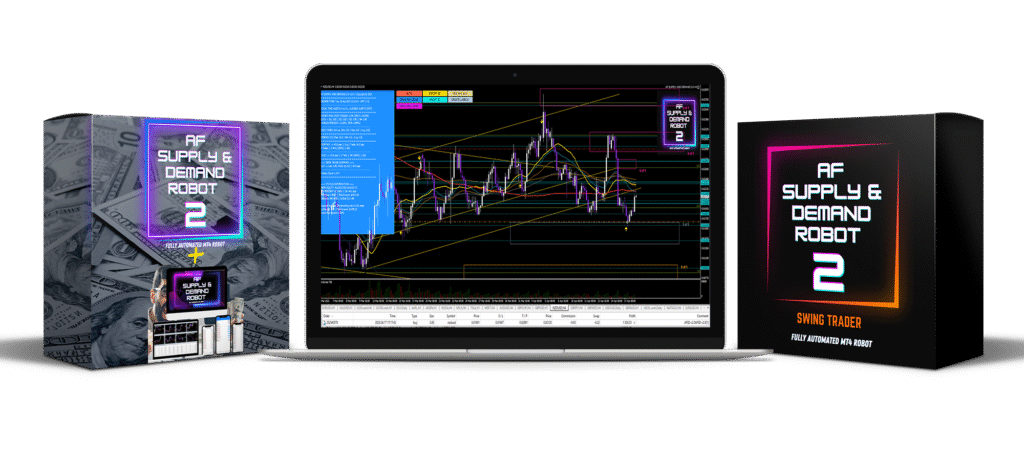
- AF Supply and Demand 2 or 3.5 PRO: identifies institutional trading zones for precise investing.
- AF Blitz Series : structured automation and mentorship for consistent trade execution.
- FreeTrade.io: a guided wealth-building app designed for new investors seeking diversified long-term growth.
Each of these tools is designed to support rather than replace your judgment.
Wrapping up
Every investor begins with the same 10 questions. The difference between those who succeed and those who quit lies in how they use the answers.
When you understand how to start small, automate your process, protect against risk, and stay invested, you stop reacting to the market and start controlling your future.
Which of these questions did you struggle with most when you started investing?
Leave a comment below your experience could help another beginner find clarity.Trading Disclosure
Trading foreign exchange, stocks, commodities, and other financial instruments involves substantial risk and is not suitable for all investors. Past performance is not indicative of future results. You could lose some or all of your invested capital; therefore, you should not speculate with capital that you cannot afford to lose. The content on this blog is for educational purposes only and should not be considered financial advice. Always consult with a qualified financial advisor before making investment decisions. We may receive compensation for products or services mentioned on this site.